About Jennifer Cote

Real Estate junkie, appraiser, sell, buy, analyze, research,passion, invest, environmental, crunchy, municipal, planning, efficiency...everything real estate!

Q&A Timberframe Value for Construction Loan

I received an email asking about the potential value difference between a new construction timberframe (post and beam, timber-frame, timber peg) home and the cost to construct it.Beam Timber Wood

Question:

 I plan to build a small timber frame home on a lot I own in NH but I am worried about the appraisal for the construction loan. In your experience, do new construction timberframe homes appraise significantly lower than cost to build? Thank you.

Hi Gene,

  There are so many variables that go into valuing a home.  Quality of construction is one of them…timberframe homes are certainly one of my personal favorites, and would typically merit a quality adjustment.  I say typically because some towns do not lend themselves to custom built homes so therefore no quality adjustment would be given.   

  Try to keep the value close to the median of that town, don’t be the most expensive home.  Seeing as it’s a small home, and perhaps a more simple frame, you may be fine. 

  So my answer is that “it depends” but most likely a timberframe home would not appraise lower than typical construction…if anything it may be slightly higher due to the unique construction.

041213_1459_NashuaNHRea3.jpgWhen building a new home there are many things you need to keep into consideration if you need to get a loan.   Don’t over build in size, in upgrades, in amenities…just don’t overbuild.  If you are building your dream home, plan on living there for a long time, and have the extra cash when the appraisal comes in low then go for it.  The timing for new construction has to be right too, with values going down over the last few years you could buy a existing, prebuilt, home for far less than new construction.  That’s changing now that the housing market has been stable in most areas in southern and eastern New Hampshire.  Housing starts are starting to increase!

-Just my thought.  –Jenn Cote

Nashua’s Mill Revival

NashuaMillyard

The Mill-yard Smoke Stack – the green at the bottom of this picture is all the crumbled bricks from one of the buildings being razed.

It’s finally happening.  I grew up in Nashua and have always loved the downtown area.  Back in high school (when there was 1), I would take the city bus to the downtown station and walk up Main Street to my part-time job at an eye doctors office on Concord Street.  My stops included the soda counter at Woolworth’s, Espresso Pizza, Alex’s Shoe store (when it was located on East Pearl), and lots of window shopping.

This is the first post on the Nashua mills.  I’ve been taking photos of the mills for a number of years and this will be my outlet for those photos.

-Just my thoughts. -Jenn

What’s that vacant lot next door to my home?

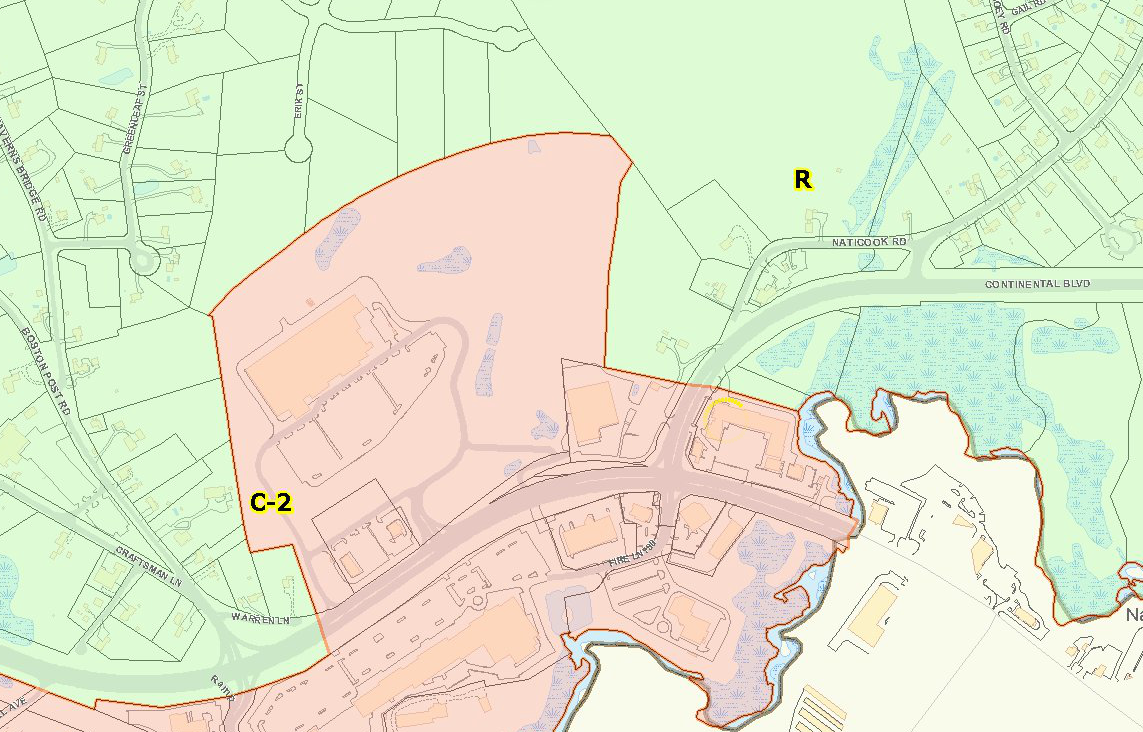
As both a real estate agent and an appraiser, I look at the entire neighborhood, not just what’s next door.   I can remember a property in Merrimack I was working on at the end of a cul-de-sac.  Nice quiet neighborhood, but through my research you could see the subdivision ends with a couple large lots, one of which is zoned for commercial uses.  It was just under 100 acres with frontage on a main route.

Here's the GIS map of the same area now.

Here’s the GIS map with the zoning overlay of the area now.  The R is residential, the C-2 is commercial area that was in place, but the large commercial building was built after.

Sure enough a few years later a large “box” store opened and you could definitely hear, and “see”, the noise through the neighbors yard.    Can you imagine buying your new home on this quiet cul-de-sac, and then a few years later having this happen?

Cul-de-sac in Merrimack, NH

Cul-de-sac in Merrimack, NH

So here are a few ways you can find out for yourself (if I’m not your agent):

  1. Google maps is the easiest first step.  Zoom in, do the street view (little yellow man icon) and look around.  Of course Google Earth is stunning, A 3D globe.
  2. My favorite is using a GIS viewer you can usually find on a towns website.  Do a search for GIS and the name of the town/municipal location.  GIS stands for Geographic Information Systems and it is an overlay mapping system combing lots, zoning, wetlands, and all sorts of information.  For more information about GIS mapping here’s my previous post on GIS maps in New Hampshire communities.
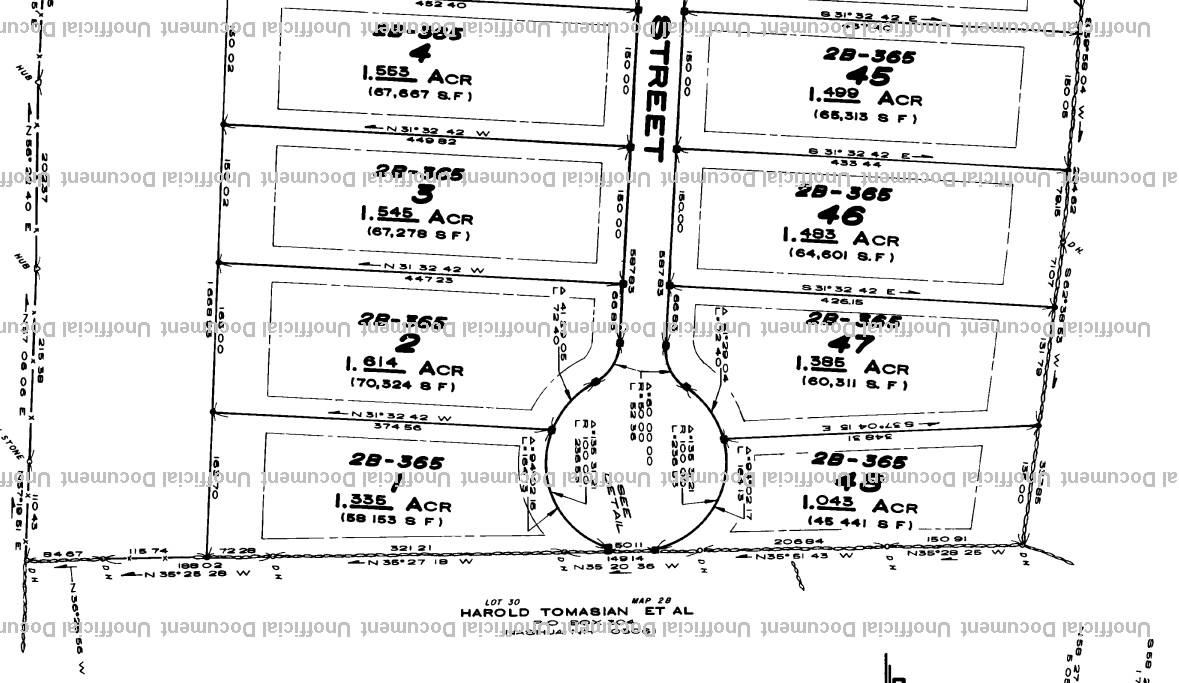
  3. Online deeds and/or plans.  Here in New Hampshire we have www.NHdeeds.com and you can look up your deed in most counties.  From the deed you can get the subdivision plan # in many cases.  Enter the plan # and you get the subdivision plans.  Really great information!

My point is to look at the surrounding land, the uses.  I can hear my clients say: “but Jenn, we don’t mind that…”

It could be the property is one street over from a major highway, a property with only 2-bedrooms, or industrial zoned land next door, they may not perceive it as a negative.

Key Point:
Do the majority of home buyers see it that way?  I help my clients become informed, for the future marketability of the property.


What is the difference between a Superfund site and a Brownfield?  Check out an earlier post: http://jennifercote.info/superfund-or-brownfield/

Just my thoughts. –Jennifer Cote- Everything Real Estate

2014 Empty Bowls Event in Nashua is tonight!

Quote

I cannot say enough how outstanding this is!  Number one, it’s the major fundraising event for the Nashua Soup Kitchen (http://www.nsks.org), and number two, the concept is brilliant!

Filling your free hand made bowl with soups prepared by local area restaurants, while listening to the Nashua High School Jazz Band, is just fun!

A row of beautiful hand crafted bowls you get to choose from.

A row of beautiful hand crafted bowls you get to choose from.

Last years: http://jennifercote.info/empty-bowls-event-in-nashua-nh

Just my thoughts. -Jenn Cote- Everything Real Estate

Real Estate and GIS Maps for Southern NH Communities

Quote

It’s me again.  Don’t you just love researching real estate!  No?  Then you should call me to help you.  My email and phone are on this site somewhere.

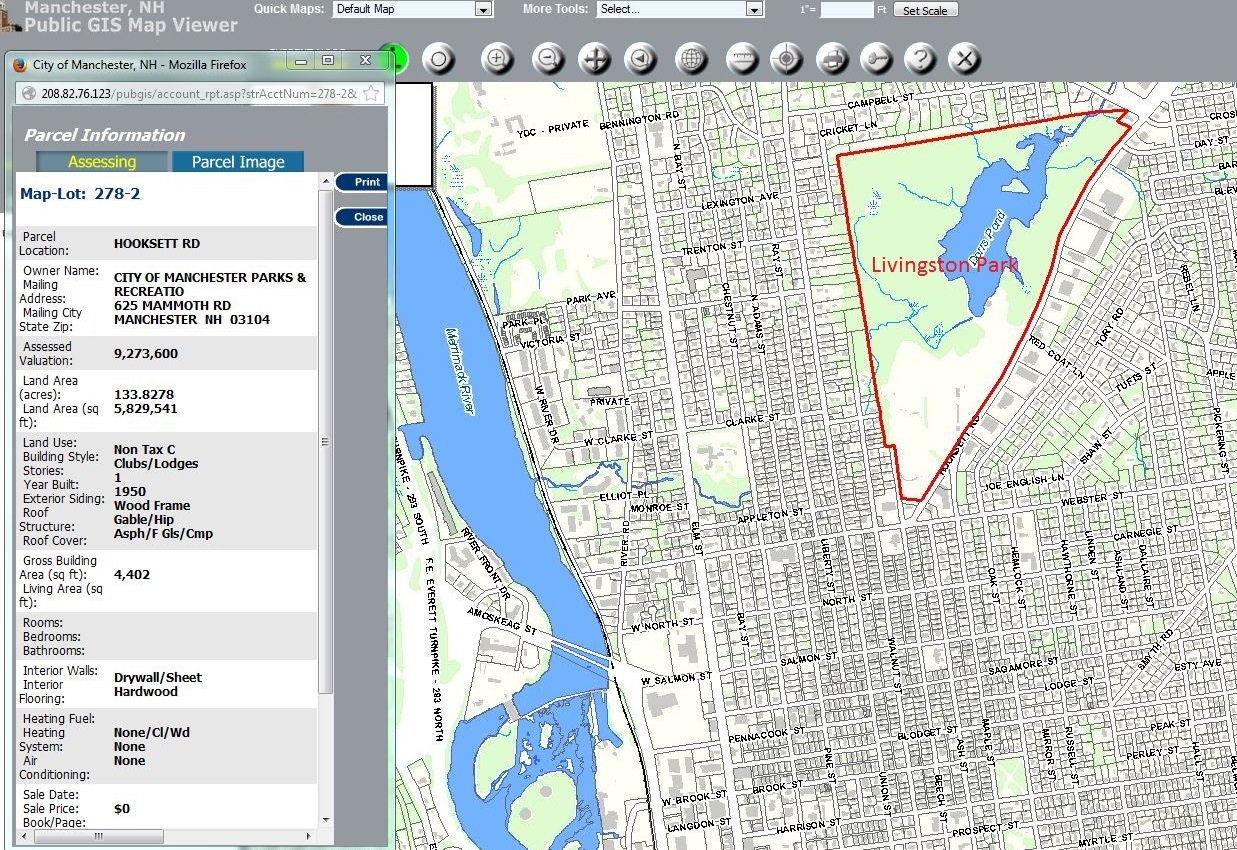
So let me tell you about one of my favorite resources: Geographical Information Systems or GIS for short.  It basically a large data organizer that government (municipal, defense, intelligence), universities, health, and so many more use to easily visualize large quantities of data and their relationships.

For real estate/municipality purposes it takes different property maps such as a map for lot dimensions, zoning, water lines, conservation areas, and overlays them together for easy searching and viewing.

Livingston Park in Manchester, NH Data

Livingston Park in Manchester, NH Data – Click to Enlarge

Find the municipality’s website and many will have an interactive GIS mapping system.

Here are a few municipal GIS mapping sites(make sure your pop-up blocker is off):

Nashua: http://www.gonashua.com and you need to click on “Go to GIS maps” and it will open up in another window.

Windham: http://www.windhamnewhampshire.com (check this out Jeff)

Manchester: http://208.82.76.123/pubgis/ (this one’s for you Dave)

__________________________________________________________

These are some PDF maps from the Nashua Regional Planning Commission(NRPC): http://www.nashuarpc.org/gis/mapsets.htm
The towns in the NRPC include: Amherst, Brookline, Hollis, Hudson, Litchfield, Lyndeborough, Mason, Merrimack, Milford, Mont Vernon, Nashua, Pelham, and Wilton.

Here is the Rockingham Planning Commission site for additional maps: http://www.rpc-nh.org/ and the towns include: Windham, Salem, Atkinson, Plaistow, Hampstead, Kingston, Danville, Sandown, Hampton, Freemont, Brentwood, Seabrook, Exeter, Portsmouth, Rye.

-Just my thoughts.  Jenn Cote Everything Real Estate

Financing Manufactured or Modular Houses.

This is a continuation on my post titled:  “Trailer, Manufactured, or Modular?”

One more point on the differences between a manufactured or modular home is the types of loans you can get.  When trying to mortgage a modular home you would be looking at typical mortgage products because the dwellings are built to local codes and comparable to a stick-built (wood framed) property.  Overall it’s fairly typical.

Financing a manufactured home is different.  Not every lender will finance a manufactured home, and the rates can sometimes be higher.  One of the reasons for this is that manufactured homes tend to depreciate in value, and have shorter life-spans than a traditional property, causing more risk to the lender.

If it was “manufactured” prior to the HUD code established 1976 it is considers a mobile home and not eligible for government backed financing, FHA, etc.  Most of these end up being cash sales due to the lack of financing available.

Depending on how “mobile” the home is will determine if it’s “personal” property or “real” property.   If it’s on wheels, not permanently attached to footings, you would most likely need to get a personal loan, not a mortgage.

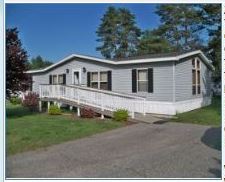
Manufactured?

Manufactured?

The manufactured home market is changing.  There is now a larger demand for smaller homes and a new movement coined “The Tiny House Movement” is in full swing making manufactured homes cool.  http://www.thetinylife.com/what-is-the-tiny-house-movement/

For more information you should talk to your lender.  I am only a real estate agent and appraiser, not a mortgage professional.

Just my thoughts. ~Jenn

090113_1322_MarketUpdat3.jpg

Superfund or Brownfield…what’s the difference?

A Superfund, as defined by the U.S. Environmental Protection Agency(EPA), is a name given to an environmental program established to address abandoned hazardous waste.  It allows the EPA to clean up these sites and to compel the responsible parties to perform cleanups or reimburse the government.

A Brownfield is a contaminated site being redeveloped, usually with lower concentrations of contaminants.  It is possibly being done by a person that is not potentially liable for cleaning up the site.

Nashua Real EstateThe U.S. Environmental Protection Agency has a website that will allow you to look up both Superfund sites and Brownfield sites.

-Superfund Look up-
-Brownfield Look up-

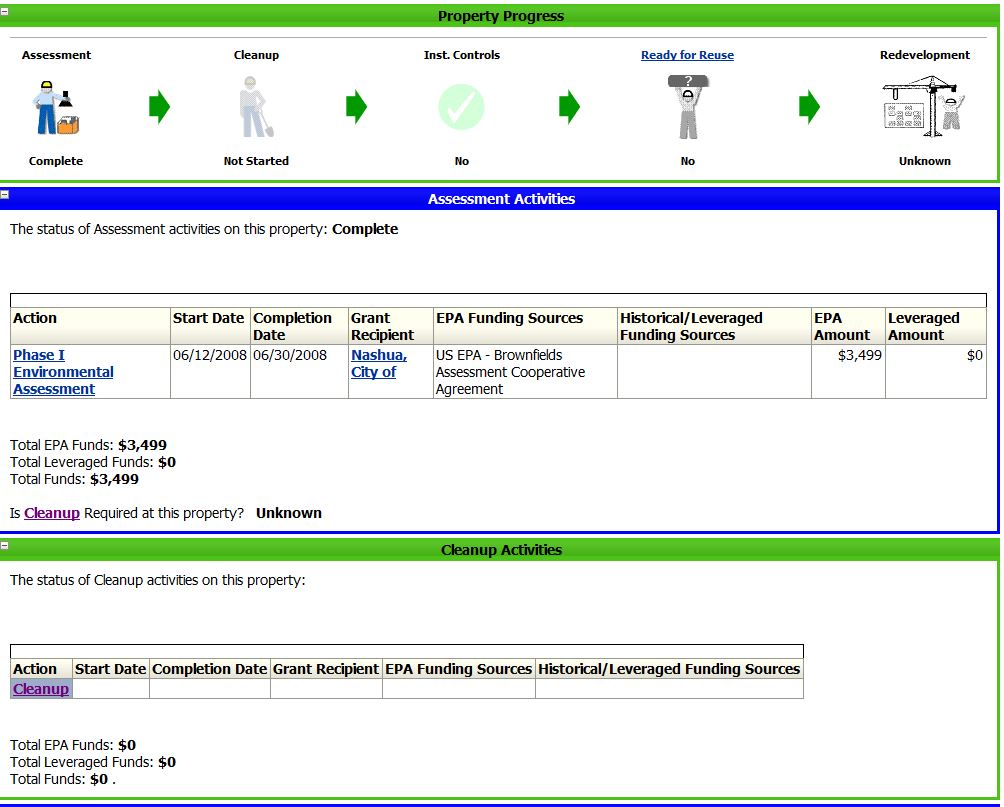
There is so much information on the EPA website.  I looked up a site on Bridge St in Nashua, NH which is in process of being cleaned up for reuse.  It shows the status of the clean-up effort, the contaminants, and there’s even a link to the neighborhood demographic information.

Brownfield Status in Nashua

Brownfield Status in Nashua

In short…they are both contaminated sites, and have been identified as such by the government, but the process to try and have them be productive is different.   Superfund sites are typically worse and the EPA is actively involved in the cleanup effort.  Brownfield sites are typically abandoned sites that are being cleaned up by private entities looking to redevelop them. http://www.epa.gov/oerrpage/superfund/programs/recycle/faqs/index.html

Check out my blog post on negative environmental influences in real estate: http://jennifercote.info/negative-environmental-influences-in-real-estate/

Trailer, Manufactured, or Modular? Real Estate Terms

Quote

What’s the difference?

Well, a trailer or mobile home, is now referred to as a manufactured home.  A modular, on the other hand, is a regular house.  Really, that’s it!

Ok, maybe there’s a little more than that:

8stillwater

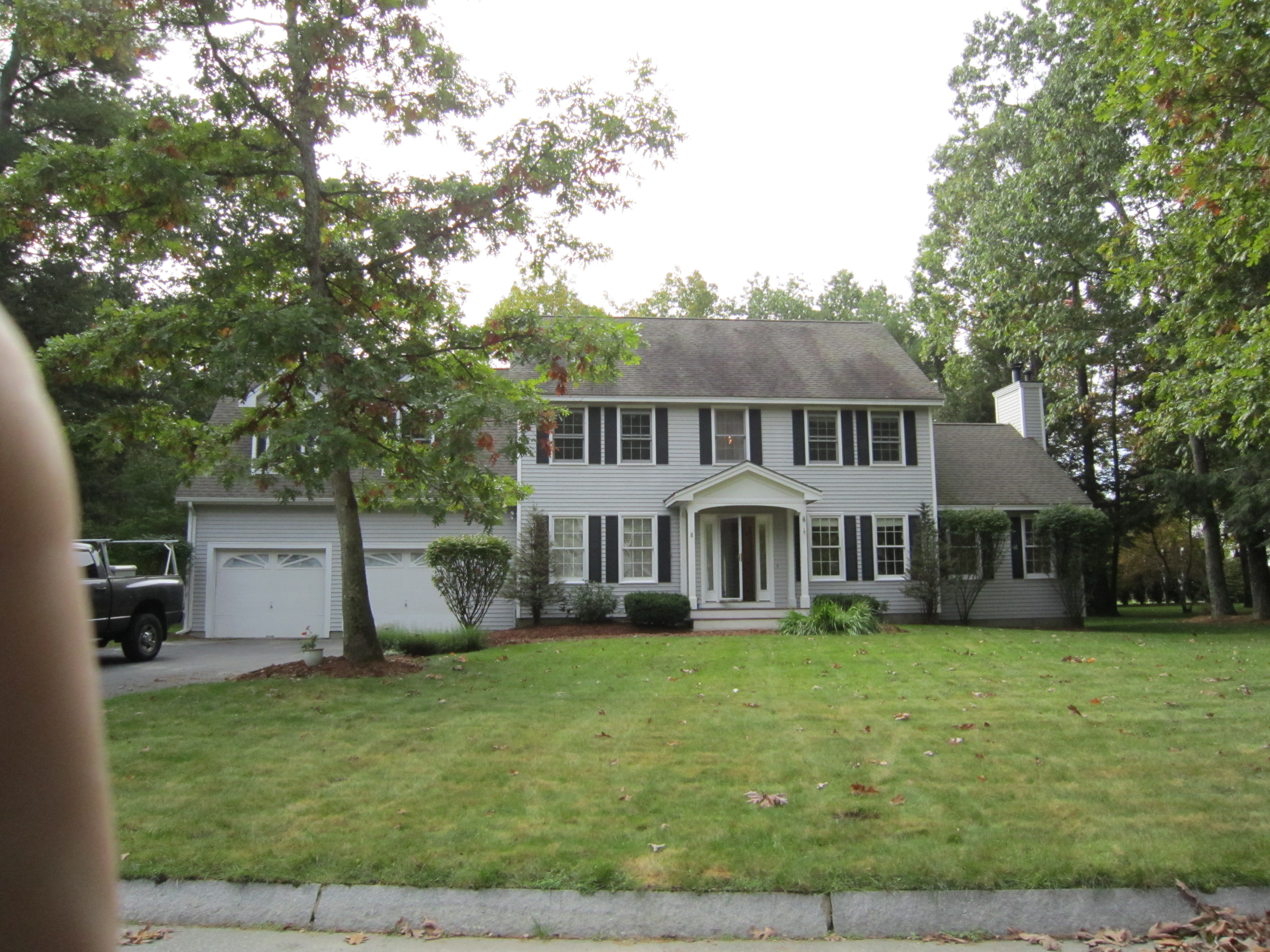
Is this a modular or stick built on site?  Usually you cannot tell the difference.

on-site stick built home

An on-site stick built home with wood-frame construction.

modular is typically of wood frame construction, built off-site, and in a factory setting.  It is built to local codes and would offer the same marketability as a standard site built home.  There are varying degrees of quality from an entry-level basic structure to a real high-end upgraded structure.

A manufactured home is also built in a factory.  They are typically built on a metal frame with axles that are used to transport the sections.  They are built to HUD (U.S. Department of Housing and Urban Development) standards…a separate national code for construction.  The tolerances may be different than local code depending on the area: sometimes more strict, sometimes less.  In 1976 HUD standards where developed and the term “manufactured” was coined to describe these dwellings.  I suppose it sounds better to say I live in a manufactured home rather than a trailer.

These are very basic definitions, but hopefully it helps you understand that the only difference between regular house construction and modular construction is one is built on-site and the other in a factory setting under a controlled environment.  From an real estate value standpoint they would be comparable.  Whereas a manufactured (trailer) may also be built in a factory, but it is not built to the same standards and therefore not comparable.

Here is part 2 on financing differences between Manufactured and Modular homes: http://jennifercote.info/financing-manufactured-or-modular-houses/

Just my thoughts. ~Jenn

Here is a BBC article, I thought interesting about manufactured statistics in the US: http://www.bbc.co.uk/news/magazine-24135022


www.TopNHhomes.com      www.JACoteAppraisals.com

Can I Sell My House Short?

One of the key elements to selling a house as a short sale will be proving a hardship.  See my post on hardships.

Need Help?

Need Help?

When I list a short-sale I provide my clients with some choices for a short-sale negotiator, this is the person who will be working with your lender.  The sellers lender will typically pay the costs to sell the house, from the real estate fees to the negotiator fees.  There still may be some associated fees which the negotiator may be able to explain and will often depend on the lender.

Buying or selling, every case is different and there are no guarantees, but working with a professional who has experience in short-sales is the key.  The process is longer, more complicated, and the factors for listing can be different than a traditional sale.  I go over all this with my clients.

If you have any questions, or need help, please contact me.

-Just my thoughts.  -Jenn Cote

In Brief: What is a short-sale?

A short-sale is when a property is sold at less than what is owed (i.e. the mortgaged amount is higher than the sales price).  The seller will have to get approval from their lender in order to sell the property “short.”   One of the largest factors in  getting approval will be for the sellers to prove they have/had a hardship.  See my post on hardships.

Need Help?

Need Help?

Every short-sale I’ve done has been very different.  The only constant I’ve seen is a longer time frame to get to closing (even bank-owned are typically quicker).

A buyer needs to be informed.  I educate extensively about the process.  My experiences helping people buy and sell short-sales provide the necessary information to help with decision making.  My own experiences purchasing a  short-sale in 2011 are helpful.

Buying or selling, every case is different and there are no guarantees, but working with a professional who has experience in short-sales is the key.

If you have any questions, please contact me.

-Just my thoughts.  -Jenn Cote

If you’d like to know when I post another article on this topic “like” my Facebook page: Facebook.com/TopNHhomes